
Collector Education
Why Hermès Doesn’t Just Make More Bags
The labor and leather constraints are real. Hermès still decides how fast to expand past them.
By Caviar & Chèvre 6 minute read
- Hours of hand stitching per bag
- ~15
- New leather workshop planned per year
- 1
- Jobs at each new workshop
- ~300
- Workshops Dumas said Hermès could open annually
- 2
There are two complaints about Hermès, and they point in opposite directions. Some investors would like the house to make fewer leather goods, to protect exclusivity. Clients have the reverse complaint entirely: they walk in wanting a specific bag and walk out without it.
On the first-half 2026 results call, Axel Dumas rejected both extremes. Hermès intends to grow. It simply does not intend to grow at the speed either camp would prefer, and the reasons he gave are worth separating carefully—because two of them are genuine physical limits and one of them is a decision.
That distinction is not academic. It changes how you should read the premium on any individual bag, which we come back to at the end.
The first limit is human
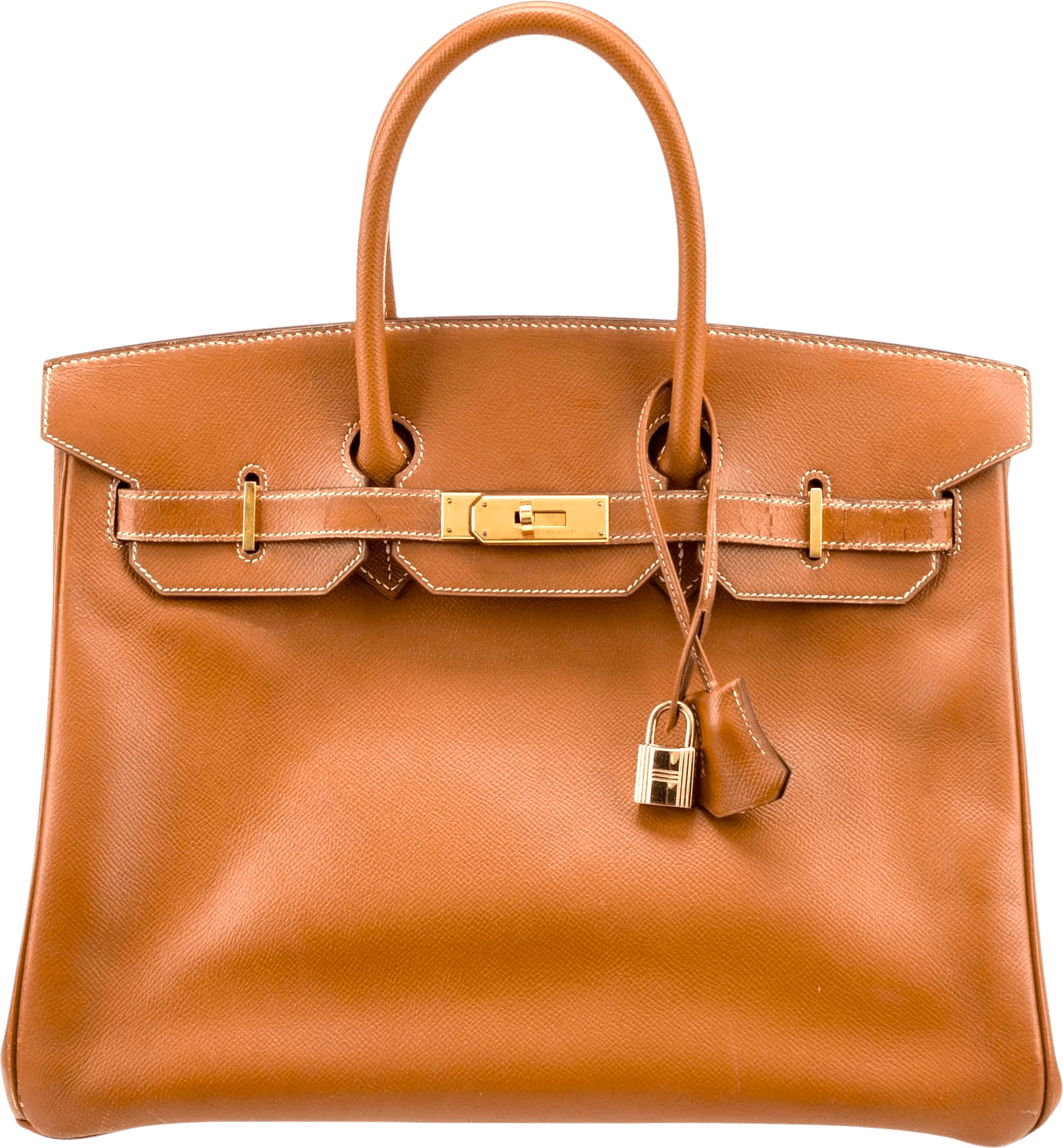
An Hermès bag takes roughly fifteen hours of hand stitching. Dumas gave the figure to analysts as an illustration, not a spec sheet—different models, sizes and materials draw on different combinations of hours and expertise. The point underneath it was structural.
“Most of our volume growth is actually a growth of working hours, because our bags are made by hand.”
A conventional factory raises output by speeding the line or adding a shift. Hermès describes a different arithmetic: capacity grows when it adds people trained to work at the required standard, and training is not a scheduling problem. Demand can surge in a season. Skilled hands cannot.
The second limit is the leather
More artisans still need material worth their time. Dumas named hide quality as the other bottleneck, and traced it to something outside the house entirely.
“With the industrialization of farming, we find less and less good skin.”
Hermès is investing more in its tanneries to improve consistency. But tanning cannot make one skin interchangeable with another. Size, surface, markings and usable area all vary before a hide ever reaches a workbench.
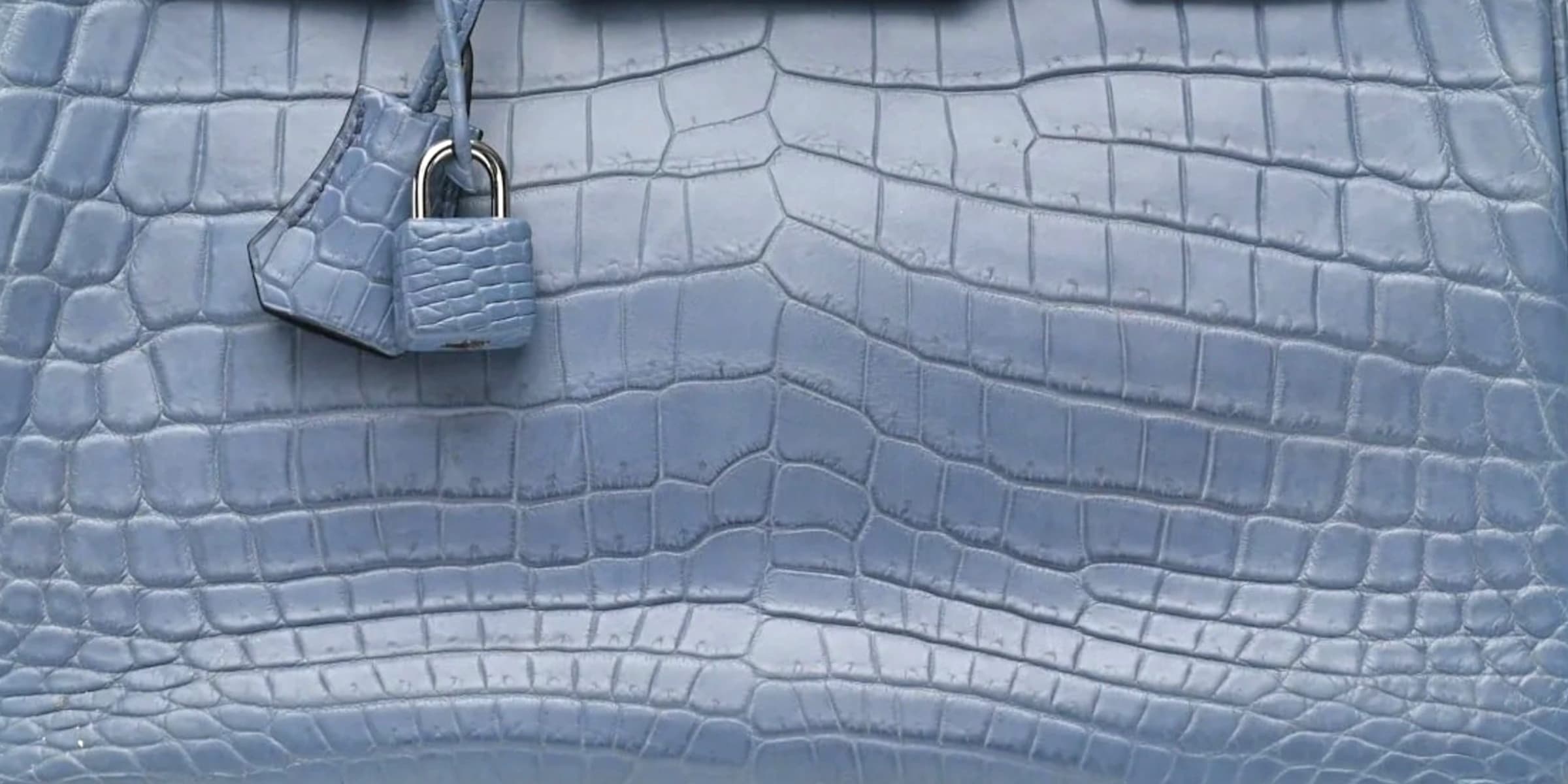
This is the part buyers tend to underestimate. Production is not a menu Hermès restocks on request. What arrives at the tannery shapes what can be made from it, which is why availability moves unevenly across colors and leathers rather than uniformly across the range.
Then comes the choice
The most revealing thing Dumas said was not that Hermès faces limits. It was that Hermès sets the speed at which it lifts them.
The plan is approximately one new leather workshop a year through 2030. Each represents roughly 300 jobs—among them young people in training and career changers working toward a CAP qualification, all of them taught to the house’s standard.
- Could open · Workshops a year, by Dumas’ own account.
- 2
- Plans to open · The pace the house considers right for training and quality.
- 1
So faster is not impossible. Faster is simply not what the house considers appropriate for training, materials and quality. A workshop can be built faster than judgment can be taught.
Scarcity isn’t all upside, even for Hermès
Limited availability protects desirability, and nothing Dumas said suggests exclusivity is irrelevant to how Hermès operates. But he was direct about its cost.
“To create scarcity is not only a plus.”
A client who visits and leaves empty-handed is not a client who feels flattered. Hermès wants to offer clients more of the products they are looking for. So the house is holding four things at once that do not naturally agree: grow production, protect craftsmanship, stay desirable, and avoid turning exclusivity into disappointment.
The scarcity that results is neither manufactured nor accidental. The limits are real; the pace within them is chosen.
What this means before you buy
Buyers tend to treat Hermès scarcity as a single property that every bag shares equally. It isn’t.
A bag can be slow to make and still be findable. Another can be nearly impossible to source not because of the hours in it, but because demand has concentrated around that one configuration. What you pay a premium for is rarely craftsmanship in the abstract—it’s the specific combination of model, size, color, leather and hardware you’ve decided you want, the condition and completeness of the example in front of you, and how many comparable examples exist right now.
Craft explains why supply can’t expand casually. It does not, on its own, justify any particular asking price. A less-requested configuration may carry every bit as much skilled labor and still trade at or below a more wanted one.
Frequently asked
How long does it take to make an Hermès bag?
Dumas cited approximately fifteen hours of hand stitching. Total time varies with model, size, material and complexity.
Is Hermès scarcity artificial?
Neither description quite fits. The labor and material constraints are documented and real. The rate at which Hermès expands capacity is a decision the company makes. The accurate version is that the constraints are real and the pace is deliberate.
Does scarcity justify the resale premium?
Not by itself. A premium reflects demand and availability for that exact configuration and condition—not brand scarcity in general.
Continue reading
Related Journal entries
Explore the connected market context, collector guidance, and resale insights behind this article.
Market Intelligence
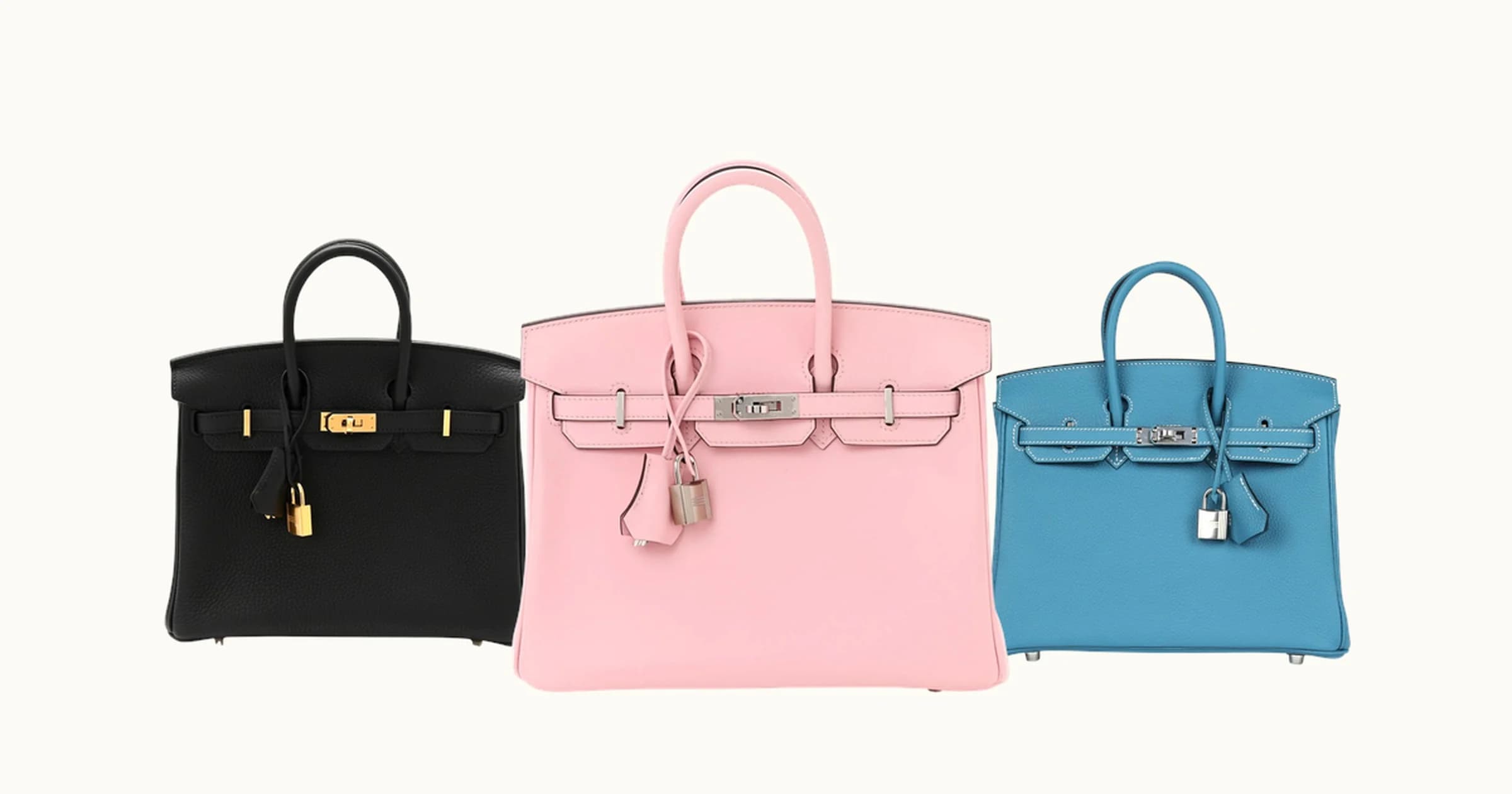
Rose Sakura, Blue Jean, and classic neutrals
Before You Buy a Birkin 25: How Color May Affect What You Pay on the Resale Market
If you are buying a Birkin 25 on the resale market, color is not just a style decision. It can materially affect what you pay.
Market Intelligence
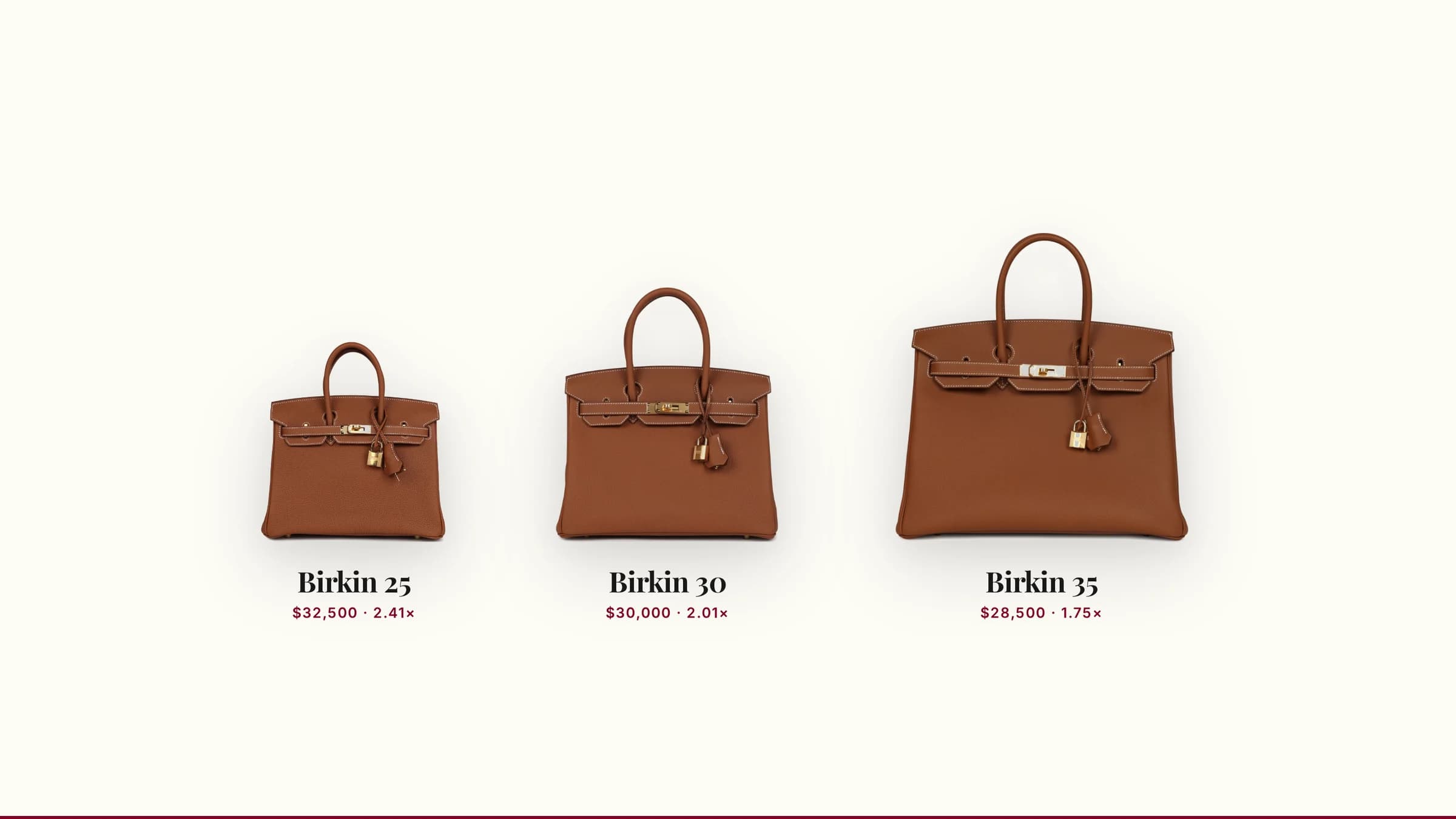
Birkin 25 vs 30 vs 35: Which Size Carries the Strongest Resale Premium?
Birkin 25 vs 30 vs 35: Which Size Carries the Strongest Resale Premium?
Choosing between a Birkin 25, 30, and 35? See which size commands the strongest resale premium, how far each sits above retail, and what that means before you buy.
Collector Education
Bai Brun, Carbone, Vert Loden, Crème Chantilly, Guimauve, Purple, Jaune Mango, and Dune
Hermès 2026 Colors: The Complete New Palette Guide
A complete guide to the Hermès 2026 colors, including the new shades, how they group together, and which palettes may appeal to different buyers.
The Inner Circle
Collector insight, sourcing intelligence, and Journal updates without inbox noise.
Join the private list for market perspective, collector education, and source-aware access to new editorial drops.
Join The List
Any other questions?
Begin with Expert, Personal Guidance.
To reserve your dedicated time, a $100 consultation fee is required. This fee is fully credited toward the final purchase of your piece.